Effective Community Management Starts With Communication
In a community association, communication isn't simply about sending notices, emails, or meeting updates.
It's about creating clarity.
When homeowners don't have information, they often fill the gaps with assumptions. Those assumptions can quickly lead to frustration, concern, and unnecessary conflict.
That's why proactive and transparent communication is such an important part of effective HOA and condominium management.
What Does Effective Communication Look Like?
Good community communication should answer three basic questions:
What is happening?
Give homeowners a clear understanding of the situation, project, decision, or issue.
Why does it matter?
Explain the significance. Help people understand how the issue may affect the community, its finances, property, operations, or residents.
What happens next?
Provide the next step whenever possible. If there isn't a final answer yet, explain what is being done to find one.
That simple framework can make communication significantly more useful.
Don't Wait Until People Have to Ask
One of the easiest ways to create frustration is to communicate only after homeowners start asking questions.
Proactive communication changes that.
A board or management team may not always have a final answer. That's okay.
You can still communicate:
- What you know
- What you don't know
- What you're doing about it
- When people can expect another update
Transparency doesn't require having every answer.
It requires being honest about where things stand.
Transparency Doesn't Mean Promising Everything
Being transparent doesn't mean telling people what they want to hear.
Sometimes a project costs more than expected.
Sometimes a vendor is delayed.
Sometimes the board is still evaluating options.
Sometimes there simply isn't enough information to make a final decision.
The responsible approach is to communicate the reality of the situation rather than allowing uncertainty to create its own story.
Clear communication builds confidence because people know what to expect—even when the answer isn't what they hoped for.
Why This Matters for Smaller Communities
Smaller communities deserve a different level of attention.
Homeowners shouldn't feel like unit numbers.
Board members shouldn't feel like account numbers.
And community management shouldn't feel like a transaction.
Personalized management means understanding the community, knowing its priorities, paying attention to the details, and maintaining communication throughout the process.
That visibility matters.
Because people don't necessarily need to know everything happening behind the scenes.
They need to know that someone is paying attention.
Communication Is Part of Operational Excellence
Strong community management isn't only about financial management, maintenance, vendors, compliance, or board meetings.
It's about how all of those areas are managed—and communicated.
When communication is proactive, consistent, and clear, it creates accountability.
And accountability creates stronger communities.
A Simple Principle for Boards
Communicate before people have to ask.
You don't need a perfect answer.
You need a clear message, an honest explanation, and a commitment to follow through.
Listen to the Conversation
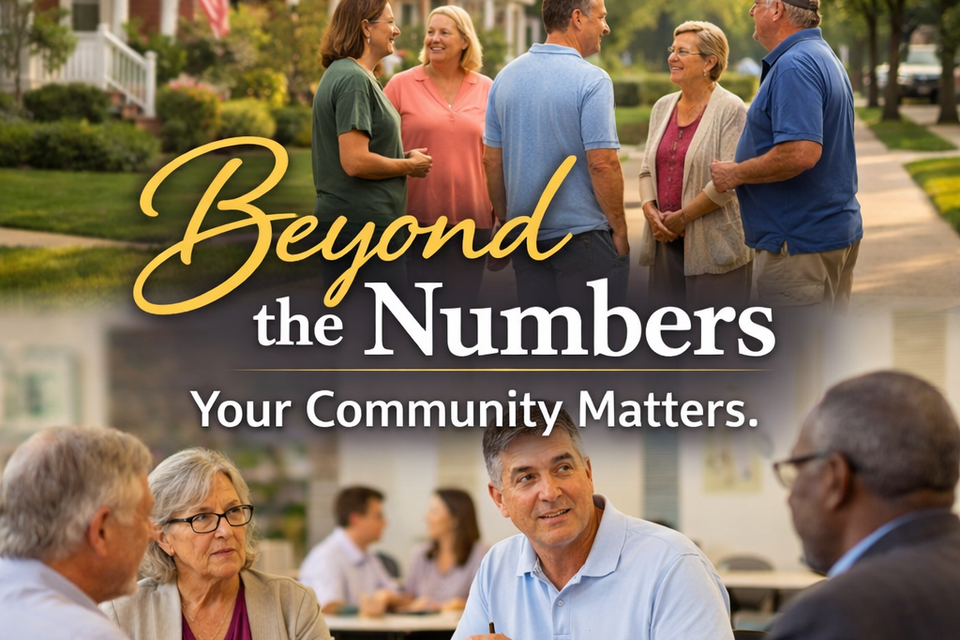
🎙️ Beyond the Numbers: Principled CAM Conversations!
Season 3, Episode 9: Transparency Builds Trust: Communication That Keeps Communities Connected
The episode explores practical ways HOA and condominium boards can improve communication, build trust, and keep their communities connected.
Looking for Practical Resources?📥 Download the Free Small Condo and HOA Board ToolkitA practical resource designed to help HOA and condo boards stay organized, focused, and proactive.
Want to Talk About Your Community?📅 Schedule a Complimentary 20-Minute Condo or HOA Strategy CallSometimes a short conversation can help identify where your community is doing well—and where greater visibility, accountability, or proactive management could make a difference.
Smaller communities deserve personalized attention—not to be treated like another number in a large portfolio.
Maintain what you have. Protect what you've built.